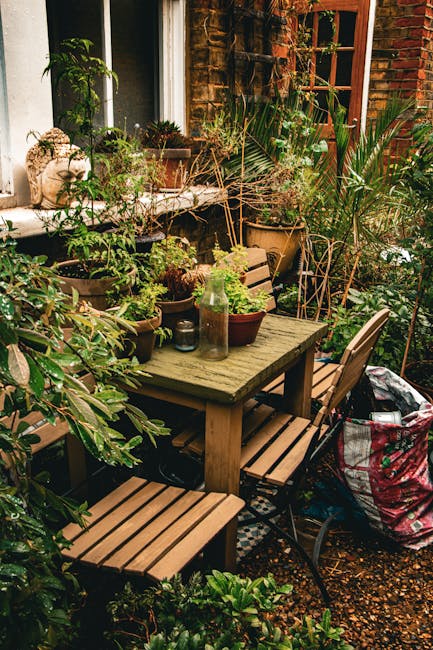
Best gardeners for small terraces on Finchley Road Swiss Cottage

If you live on or near Finchley Road in Swiss Cottage, you probably know the challenge already: a terrace that looks lovely in theory but feels tight in practice. A few pots, a narrow run of paving, maybe one stubborn shady corner, and suddenly the whole space is either underused or overwhelmed. Finding the best gardeners for small terraces on Finchley Road Swiss Cottage is really about finding someone who understands compact outdoor spaces, local conditions, and the balance between beauty and practicality.
Small terraces need a different kind of care. They are not miniature front gardens, and they are not full-size landscapes squeezed into a smaller footprint. The right gardener knows how to make every square metre count, keep maintenance manageable, and create a space that still feels calm rather than cluttered. In this guide, we'll walk through what to look for, how the process works, what good terrace gardening actually involves, and how to choose a service that fits the way you live.
In our experience, the best results usually come from simple decisions done well. Not too much plant material, not too many hard edges, not too many "clever" ideas that become a maintenance headache by month three. Let's keep it useful.
Why Best gardeners for small terraces on Finchley Road Swiss Cottage Matters
A small terrace can either feel like an afterthought or like the best room in the property. That difference usually comes down to planning, plant choice, and maintenance discipline. On Finchley Road and around Swiss Cottage, where outdoor space is often limited and properties vary a lot in age and layout, the best gardeners for small terraces on Finchley Road Swiss Cottage have to work with awkward dimensions, shade from surrounding buildings, wind exposure, and the realities of London living.
Why does this matter so much? Because compact terraces punish poor choices. A planter that is too large can block access. A thirsty plant in a windy, sunny spot can turn crispy fast. A surface that is not cleaned regularly can become slippery. And a garden design that looks good in summer may turn messy or bare by autumn. A good gardener sees those issues in advance and plans around them.
There is also the lifestyle side. Many people in Swiss Cottage want a terrace that works for coffee in the morning, a quick dinner outside, a few herbs for cooking, or a low-effort place to unwind after work. Not a weekend project that eats your time. Not a maintenance trap. Just a space that feels good to step into, even on a grey Tuesday at 7pm.
If you are comparing providers, it helps to look at the wider service picture too. A team that can combine garden maintenance with careful planting, pruning, and tidy-up work is usually better suited to terrace jobs than a general labour-only approach.
How Best gardeners for small terraces on Finchley Road Swiss Cottage Works
Terrace gardening starts with assessment, not planting. The best gardeners look at sunlight, drainage, access, weight limits for balconies or raised terraces, existing surfaces, and how you actually use the space. That first look matters more than people realise. A terrace facing north with a high wall behaves very differently from one that catches afternoon sun and wind.
After assessment, the work usually falls into a few practical stages:
- Space review - measuring the terrace, checking access routes, and noting any awkward corners, steps, or built-in features.
- Condition check - seeing what needs clearing, cutting back, re-potting, cleaning, or replacing.
- Design choices - deciding whether the terrace needs more structure, better planting, lighter containers, screening, or just a cleaner layout.
- Implementation - pruning, planting, refreshing soil, improving drainage, tidying edges, and making the space usable.
- Maintenance plan - setting a realistic schedule so the terrace stays presentable without becoming a full-time hobby.
That last point is easy to overlook. The best gardeners are not just good at making a space look nice once. They are good at keeping it manageable. A terrace with herbs, a climber, two or three specimen plants, and a few tidy containers is often more satisfying than a crowded arrangement that needs constant rescue.
If the space has outgrown itself, a light reset may help before any design work begins. In that case, garden clearance can remove the clutter so the useful parts of the terrace can breathe again. Sometimes that is the real starting point.
Key Benefits and Practical Advantages
Choosing the right gardener for a small terrace is not just about looks. Done properly, it improves day-to-day life. The benefits tend to be practical first, aesthetic second, and that's fine. In fact, that is how it should be.
- Better use of limited space - every planter, seat, and feature has a job.
- Less clutter - thoughtful layout keeps the terrace open and walkable.
- Lower maintenance - suitable plants and tidy structure mean less ongoing work.
- Improved plant health - the right species are matched to light, wind, and container size.
- More privacy - screening, trained climbers, or layered planting can soften overlooked terraces.
- Seasonal interest - good gardeners plan for year-round appearance, not just one sunny month.
- Safer surfaces - moss, debris, and drainage problems are dealt with before they cause trouble.
There is another advantage that often gets missed: confidence. When a terrace is organised and easy to care for, you are more likely to use it. You will open the doors more often, step outside more often, and actually enjoy the space. That sounds obvious, but plenty of terraces just sit there looking a bit guilty.
For many local properties, the surrounding hard landscaping matters as much as the planting. If your terrace includes paving, edging, steps, or a decked section, it can be worth looking at landscaping or decking services where the surface itself needs improvement rather than simple upkeep.
Who This Is For and When It Makes Sense
This service suits a wide range of people, but especially anyone who wants their outdoor space to work harder without taking over their weekends. If you recognise yourself in any of these, you are probably in the right territory:
- Apartment or flat owners with a narrow terrace or roof terrace
- Busy professionals who want a neat outdoor area without constant upkeep
- Landlords preparing a property for viewing or new tenants
- Older homeowners who want low-maintenance planting and tidy access
- People who like entertaining outdoors but do not have room for a large garden
- Anyone whose terrace has become overgrown, bare, or a bit of both
It also makes sense if you have tried doing it yourself and discovered the usual problems: too many plants dying in containers, too much sun in one corner and too much shade in another, or a layout that looked good in spring but became awkward by mid-summer. To be fair, that is how many terrace gardens start. Not with failure. With enthusiasm.
Sometimes the need is more structural than cosmetic. If hedges, boundary planting, or neighbouring greenery is encroaching, a service such as hedge trimming may be needed to restore light and definition. And if the terrace includes a small lawned area nearby rather than a fully paved surface, lawn mowing can be part of the routine too.
Step-by-Step Guidance
If you want to know how the best gardeners for small terraces on Finchley Road Swiss Cottage typically approach a project, this is the practical sequence. It is not fancy. It works.
- Start with an honest brief. Say what you want the space to do: relaxing, dining, growing herbs, screening, or simply looking neat.
- Identify constraints. Note shade, exposed wind, weight limits, drainage issues, and how much time you actually want to spend maintaining it.
- Clear what is not helping. Remove dead plants, tired pots, broken containers, and anything blocking movement.
- Decide the structure. Work out where the main plants, seating, and focal points should sit.
- Choose compact, appropriate planting. Use plants that suit containers, not plants that will outgrow them in six weeks.
- Refresh the surface. Sweep, wash, pressure-clean only when suitable, and keep pathways slip-resistant.
- Set a maintenance rhythm. Agree how often the terrace needs watering, feeding, pruning, and tidy-up visits.
A useful rule of thumb: if a design needs too much explanation, it is usually too complicated for a small terrace. Simpler is often better. A neat line of pots, a climber on a support, and one clean seating zone can feel richer than three separate "features" fighting for attention.
One more thing: always ask what will happen in winter. That season changes everything. Leaves drift in, surfaces stay damp, and some container arrangements begin to look tired. Good gardeners plan for the colder months rather than pretending they do not exist. London weather has a sense of humour, after all.
Expert Tips for Better Results
Here are the practical habits that separate decent terrace work from genuinely good terrace work.
- Use fewer, better plants. A small terrace benefits from restraint. A strong structure with a few healthy, well-placed plants almost always looks better than a crowded mix.
- Prioritise texture and form. On compact spaces, leaf shape, plant height, and container material matter more than sheer quantity of colour.
- Keep circulation clear. If you have to squeeze sideways past pots, the layout is too tight.
- Choose containers with drainage in mind. Waterlogging is a common reason terrace plants fail.
- Plan for height. Vertical planting, climbers, and slim screening can add privacy without stealing floor space.
- Refresh soil regularly. Container soil becomes tired faster than many people expect. It is one of those boring jobs that makes a big difference.
- Match plants to real conditions, not wishful thinking. A sun-loving plant in a shady corner will not "adjust". It will sulk, then fail. Plants are not that polite.
There is also a design trick that works especially well on small terraces: repeating one or two materials. For example, the same pot colour across different sizes, or the same timber tone across seating and planters. It brings calm to a space that could otherwise feel visually noisy.
If you are improving the terrace as part of a wider property refresh, the team may also advise on landscape gardening so the terrace fits the wider flow of the outdoor area rather than looking bolted on.
Common Mistakes to Avoid
Small terraces are unforgiving in a few very predictable ways. The mistakes below come up again and again.
- Buying too many plants at once. The terrace ends up crowded, and the good plants get lost.
- Ignoring shade or wind. A plant that looks healthy in a sheltered nursery may struggle badly on an exposed terrace.
- Using oversized furniture. Even one bulky chair can make a compact terrace feel cramped.
- Forgetting maintenance access. If you cannot reach the back of a planter, watering and pruning become awkward fast.
- Skipping cleanup. Dead leaves, algae, and debris make a small space feel neglected very quickly.
- Choosing style over practicality. Beautiful materials are great, but only if they suit the weather and the use of the space.
- Not thinking seasonally. A good terrace should still look composed when summer flowers are gone.
One of the most common problems is overdesign. People want everything: herbs, flowers, screening, seating, lighting, and a "feature". But on a narrow terrace, too much ambition can crowd out comfort. The sweet spot is usually a clear layout, a few strong planting choices, and a routine that feels realistic.
If the terrace has accumulated general mess or leftover materials, a proper tidy-up can help before redesigning. That is where garden clearance becomes genuinely useful rather than just an optional extra.
Tools, Resources and Recommendations
Good terrace gardening does not require a shed full of equipment, but the right tools matter. For most small terrace jobs, the essentials are straightforward:
- Lightweight hand tools for pruning and deadheading
- A watering can or hose setup suited to access restrictions
- Quality compost and top dressing for containers
- Secateurs, trowels, and a sturdy hand fork
- Cleaning tools for sweeping, scrubbing, and clearing debris
- Proper pots with drainage holes and saucers where appropriate
- Plant supports or trellis for climbing species
For property owners who would rather not manage all of this themselves, a reliable garden team can help keep things under control through regular visits. The best gardener is often the one who notices issues early: a blocked drain, a pot that needs repositioning, a plant that is being scorched, or a surface that needs attention before it gets slippery.
If you are comparing services, it can help to review a company's services overview so you can see whether terrace work sits alongside maintenance, clearance, and practical improvements. And if you want to understand how quotes are usually approached, the pricing and quotes page is often a good place to start.
Law, Compliance, Standards and Best Practice
For terrace work, the main compliance issues are usually about safety, access, and responsible work practices rather than anything dramatic. Still, they matter. Small spaces can become awkward quickly if tools, waste, water, or heavy items are handled carelessly.
Good practice generally includes:
- Safe working methods when moving pots, furniture, or materials through shared access areas
- Care with weight and placement on balconies, raised terraces, or roof spaces
- Respect for neighbouring properties when working near boundaries or shared walls
- Proper waste handling so green waste and removed materials are dealt with responsibly
- Insurance awareness for work that involves tools, heights, or potentially slippery surfaces
In a London setting, it is also sensible to think about building access, noise, and timing. That does not mean every job needs a formal process. It just means a professional gardener should work cleanly, communicate clearly, and avoid turning a small task into a nuisance for everyone else in the building. Simple courtesy goes a long way.
If you want to know more about how a provider approaches safety and responsible work, look for plain-English information on insurance and safety as well as their health and safety policy. For a business's values and background, the about us page can also be useful.
Where sustainability matters to you, ask how waste is reused, recycled, or disposed of. A thoughtful approach to materials and plant waste is usually a good sign. You can also review a provider's recycling and sustainability information if available.
Options, Methods, or Comparison Table
Not every terrace needs the same kind of gardener. Some spaces need maintenance only. Others need a redesign, a rescue, or a mix of both. Here is a simple comparison to help you think it through.
| Approach | Best for | Strengths | Limitations |
|---|---|---|---|
| Maintenance-only visits | Terraces that are already well set up | Budget-friendly, tidy, consistent | Not ideal for layout problems or tired planting |
| Refresh and tidy-up | Spaces that have become messy or uneven | Fast visible improvement, good for seasonal resets | May not solve deeper design issues |
| Full terrace redesign | Spaces that feel cramped, bare, or impractical | Best for long-term usability and appearance | Takes more planning and usually more budget |
| Combined maintenance and landscaping | Terraces needing both structure and care | Most complete approach, better long-term value | Needs a team that can handle both detail and broader planning |
For small terraces, the combined approach is often the strongest option. It lets you fix the immediate problems while also improving the structure underneath. That is especially helpful if the space has awkward surfaces, clutter, or a layout that does not make much sense.
Case Study or Real-World Example
Picture a compact terrace off Finchley Road: a narrow rectangle, partly shaded by nearby buildings, with a few tired pots, a patch of damp staining on the paving, and one corner collecting wind-blown leaves. The owner wants a space for morning tea and the occasional evening meal, nothing extravagant.
The first step is not planting. It is editing. Old containers are removed, the surface is cleaned, and the layout is opened up so the seating area feels less boxed in. A couple of larger but slimmer pots are introduced to create height without taking over the floor. One climber is trained up a support to soften the wall. Herbs go closer to the door for easy picking. A more durable, simple planting palette replaces the previous mix of random colour.
What changed? Not just the look. The terrace became easier to use. It felt calmer. The owner no longer had to step around awkward clutter, and the plants suited the conditions rather than fighting them. That is the point, really. A small terrace should feel like a relief when you step outside, not another job waiting for you.
At the end of a successful terrace job, the best feedback is often very plain: "It finally feels like ours." That's a good day's work, that is.
Practical Checklist
Use this checklist before you hire a gardener or start a terrace refresh:
- Do I know exactly how I want to use the terrace?
- Have I measured the space and noted the awkward bits?
- Do I understand the light, shade, and wind conditions?
- Have I identified what needs clearing, pruning, or replacing?
- Is my budget realistic for the level of change I want?
- Will the design still work in winter or wet weather?
- Are the plants suitable for containers and compact spaces?
- Is there enough room to move comfortably around the furniture?
- Have I thought about drainage and cleaning access?
- Do I want a one-off refresh, ongoing maintenance, or both?
Expert summary: For the best gardeners for small terraces on Finchley Road Swiss Cottage, the key is not flashy design. It is disciplined use of space, sensible planting, and maintenance that keeps the terrace easy to live with. If a gardener understands that, you are already most of the way there.
Conclusion
The best gardeners for small terraces on Finchley Road Swiss Cottage are the ones who understand proportion, practicality, and the everyday rhythm of a real home. They know how to turn a tight outdoor area into something calm, attractive, and genuinely usable without overcomplicating it. That means choosing the right plants, keeping layouts simple, planning for maintenance, and respecting the realities of London terrace life.
Whether your space needs a tidy seasonal reset, a more thoughtful layout, or a full refresh, the right approach starts with good judgement. And honestly, that judgement is worth more than a bag full of trendy plants. A well-run terrace feels easy. That is the whole game.
If you are ready to take the next step, speak to a local team that understands small-space gardening, clear communication, and practical results. A short conversation now can save a lot of frustration later.
Get a free quote today and see how much you can save.
Frequently Asked Questions
What makes a gardener suitable for a small terrace?
A suitable gardener understands compact layouts, container planting, light conditions, drainage, and how to keep the space easy to maintain. They should think in terms of usability as well as appearance.
How often should a small terrace be maintained?
That depends on the planting and use of the space, but many terraces benefit from light regular care and occasional seasonal refreshes. If the terrace is heavily planted, more frequent visits make sense.
Can a small terrace still have privacy screening?
Yes. Slim screening, trained climbers, and layered planting can improve privacy without using too much floor space. The key is keeping the structure light and proportionate.
What plants work best on a terrace in Swiss Cottage?
Plants that suit containers, wind exposure, and the amount of sunlight available usually perform best. The right choice depends on the terrace conditions rather than on one universal list.
Do I need landscaping if my terrace is already paved?
Not always. If the paving is fine and the main issue is planting or maintenance, a garden specialist may be enough. If the surface, layout, or structure needs improving, broader landscaping may help.
How do I stop a small terrace from feeling crowded?
Use fewer pieces, avoid oversized furniture, and leave clear movement space. Repeating materials and using vertical features can make the space feel larger rather than busier.
Is garden clearance useful before terrace work?
Very often, yes. If the terrace has dead plants, broken pots, old clutter, or overgrown material, clearing it first makes planning and maintenance much easier.
What should I ask before hiring a gardener?
Ask about their experience with small spaces, how they handle maintenance, what plants they recommend, and whether they can help with both tidy-up work and longer-term improvements.
How do I keep terrace plants healthy in winter?
Reduce water where appropriate, protect sensitive plants, check drainage, and remove debris regularly. Winter care is mostly about prevention and avoiding waterlogged, damaged containers.
Can a gardener help with both soft planting and hard surfaces?
Yes, many can help with both. If you need paving, decking, or structural changes alongside planting, look for a service that covers several aspects of outdoor work.
Are there safety issues with terrace gardening?
There can be, especially where access is tight, surfaces are slippery, or heavy containers are involved. Good gardeners work carefully, manage tools properly, and avoid unnecessary risk.
How do I know if I need a full redesign or just maintenance?
If the terrace already has a sensible layout and healthy planting, maintenance may be enough. If it feels cluttered, impractical, or visually confused, a redesign or refresh is usually better.
For more on the full range of outdoor services, you can also review the company's services overview and see how different jobs fit together. And if you have questions about policies, service terms, or how the business handles certain matters, the relevant pages are available through the site's main information sections, including terms and conditions and contact us.