Common problems gardeners meet in NW3 back gardens
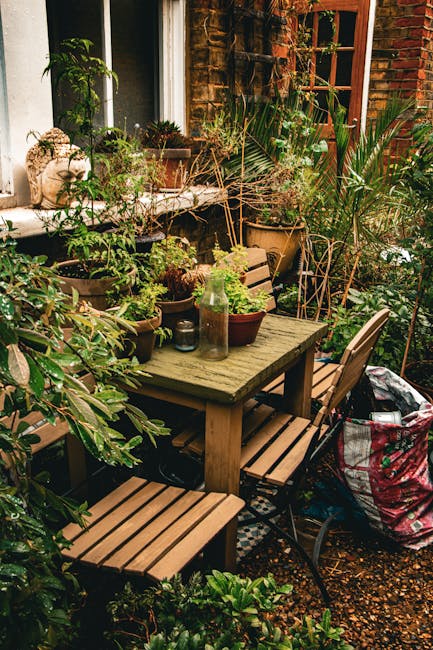
Back gardens in NW3 can be charming, awkward, sheltered, shaded, windy, cramped, or all of those at once. That's part of the appeal, to be fair, but it also means gardeners run into the same handful of issues again and again: poor access, patchy lawns, root competition, awkward boundaries, drainage trouble, overgrown hedges, and planting that never quite settles in. If you're dealing with common problems gardeners meet in NW3 back gardens, this guide breaks them down in plain English and shows what usually works in a real London garden, not just on paper.
Whether you manage your garden yourself or you're thinking about professional help, the aim here is simple: help you spot problems early, avoid expensive mistakes, and make better decisions about maintenance, clearance, landscaping, and long-term upkeep. A small garden can be surprisingly demanding. Truth be told, sometimes the tiniest patch of soil causes the biggest headache.
- Why these problems matter in NW3 back gardens
- How the problem patterns show up
- Key benefits of dealing with issues early
- Who this is for and when it makes sense
- Step-by-step guidance
- Expert tips for better results
- Common mistakes to avoid
- Tools, resources and recommendations
- Law, compliance, standards and best practice
- Options, methods, or comparison table
- Case study or real-world example
- Practical checklist
- Conclusion
- Frequently asked questions
Why Common problems gardeners meet in NW3 back gardens Matters
NW3 back gardens often sit at the meeting point of older housing stock, tight boundaries, mixed shade, and heavy seasonal use. That combination creates patterns. For example, one garden might get bright morning sun but deep afternoon shade from a mature tree. Another might be narrow enough that every job, from mowing to hedge cutting, takes longer than it should. Another might have lovely bones but the soil is compacted and tired after years of foot traffic and construction work nearby.
Why does that matter? Because a garden that looks "fine for now" can quietly drift into a much bigger repair job. A damp corner turns into moss. Moss turns into a thin lawn. A thin lawn becomes bare patches. Bare patches invite weeds. And suddenly you're not gardening anymore; you're firefighting.
There's also the practical side. In a part of London where outdoor space is precious, even small improvements can make a big difference to how the home feels and functions. A tidy, well-drained, easy-to-maintain garden is more pleasant to use, easier to look after, and usually less frustrating through the year.
Key takeaway: Most NW3 garden problems are not one-off surprises. They are patterns caused by shade, access, soil condition, mature planting, and the realities of urban outdoor space. Deal with the pattern, and the garden becomes much easier to manage.
How Common problems gardeners meet in NW3 back gardens Works
The first thing to understand is that back gardens in this part of London rarely behave like open suburban plots. They are often enclosed, partially shaded, and shaped by neighbours' walls, fences, trees, sheds, and extensions. That means the usual "one-size-fits-all" gardening advice can fall short.
Here's how the most common issues tend to work in practice:
- Shade and root competition reduce light, dry out soil, and make turf or planting struggle.
- Poor access makes clearance, waste removal, and even routine mowing slower and costlier.
- Drainage problems create standing water, slippery surfaces, and patchy growth.
- Overgrown boundaries can block light, steal space, and make the garden feel smaller.
- Compacted soil limits drainage and root growth, especially in narrow or well-used gardens.
- Mixed surfaces and features like decking, paths, beds, and lawn areas need more coordination than people expect.
A typical scenario: a homeowner wants a neat, low-effort garden. The lawn struggles because of shade. The hedge grows faster than expected. The corners become cluttered because the side access is awkward. Then the job stops feeling cosmetic and starts becoming structural. That's usually where a broader service approach, such as regular garden maintenance or even garden clearance, becomes a more sensible option than endless patch repairs.
It's not glamorous. But it works.
Key Benefits and Practical Advantages
Sorting out recurring garden issues is not just about appearances. It changes how the whole space performs.
- Less daily hassle: You spend less time fighting weeds, trimming constantly, or dealing with soggy ground.
- Better use of space: Careful pruning, layout tweaks, and smarter planting make even small gardens feel bigger.
- Healthier planting: The right plant in the right place lasts longer and needs less rescue work.
- Improved safety: Fewer slippery areas, unstable branches, and trip hazards.
- Better value from maintenance: Regular work is usually more effective than repeated emergency tidy-ups.
- More predictable seasonal upkeep: You can plan around growth spurts, leaf fall, and lawn recovery instead of reacting to them.
One of the biggest advantages, especially in NW3, is that the garden becomes manageable again. Not perfect. Manageable. That matters more than people think. A garden that can be kept under control without a full weekend disappearing into it is a garden you're actually likely to enjoy.
If your outdoor space includes tired paving, awkward seating zones, or slippery timber, it may also help to look at decking services or broader landscaping work to make the layout more practical.
Who This Is For and When It Makes Sense
This topic matters if you live in NW3 and any of the following sound familiar:
- You have a shaded or enclosed back garden that never dries properly.
- You're facing monthly hedge growth that feels relentless.
- The lawn is thin, mossy, or patchy no matter what you try.
- Access is tight, so clearing waste or moving tools is a bit of a faff.
- There are overgrown shrubs, fallen leaves, or cluttered corners that keep building up.
- You want a cleaner, more usable outdoor space without redesigning everything from scratch.
It also makes sense for landlords, property managers, and busy households that simply do not have the time to keep on top of repeated maintenance. In those cases, the issue is not whether the garden can be improved. It usually can. The real question is how often it needs attention and what kind of intervention will give the best return.
If you are comparing service levels, a good place to start is the services overview, which can help you think through whether you need one-off clearance, routine upkeep, or a more involved landscaping refresh.
Step-by-Step Guidance
When a back garden feels messy, hard to maintain, or simply stuck, a structured approach helps. Here's a practical sequence that works well.
- Walk the garden slowly. Look at the whole space in daylight. Notice where water sits, where shade falls, where growth is weakest, and where access is awkward.
- Separate urgent problems from cosmetic ones. A blocked drain, unstable branch, or slippery deck needs attention before new plants or decorative features.
- Cut back overgrowth first. You need visibility before you can plan properly. Hedge trimming and light pruning often reveal more than expected. If boundaries are the main issue, hedge trimming is usually one of the most effective first moves.
- Clear debris and waste. Leaf litter, old pots, dead stems, and loose clippings hide what the garden actually needs. Clearing the mess usually clarifies the job.
- Test the ground conditions. Is the soil dry and dusty, sticky and wet, or hard and compacted? Each one suggests a different fix.
- Decide what deserves saving. Some plants are worth rescuing. Others are simply in the wrong place. Be honest. Gardens rarely improve when every struggling shrub is treated like a family heirloom.
- Choose the right intervention. This could mean mowing, pruning, clearing, replanting, or a fuller redesign through landscape gardening.
- Set a maintenance rhythm. A garden that is looked at monthly will usually behave better than one left alone for half a year and then "done all at once."
A small example: if the back of the garden is wet every winter, the solution may not be more plants. It might be better airflow, improved surface levels, a changed border, or simply less dense planting in that zone. The right fix is often less dramatic than people imagine.
Expert Tips for Better Results
Here are the habits and decisions that tend to make the biggest difference in NW3 back gardens.
- Work with shade instead of fighting it. In deep shade, choose tolerant planting rather than forcing a sun-loving border to survive on hope and weekend watering.
- Keep edges clean. Sharp edges between lawn, beds, and paths make the whole garden feel more intentional and easier to maintain.
- Reduce bulk before refining details. If something is badly overgrown, cut it back in stages rather than trying to shape it perfectly in one go.
- Prioritise drainage where water sits. If the ground stays wet for days after rain, don't ignore it. Wet corners only get more annoying.
- Think in layers. Groundcover, shrubs, and vertical structure often work better than a single tired lawn in a constrained garden.
- Choose maintenance-friendly surfaces. Paths, gravel, paving, or decking may suit some spaces better than trying to keep every square metre as lawn.
And a simple but important one: keep tools and waste movement in mind before you start. In a narrow back garden, even the best plan can get derailed by nowhere to stack cuttings. That sounds minor until you are balancing bags, a rake, and a wheelbarrow in a tight passage. Not fun.
If trees are contributing to the problem, especially through shade or debris, it may be worth exploring tree lopping and removal carefully and only when it is genuinely justified.
Common Mistakes to Avoid
A lot of garden frustration comes from trying to solve the wrong problem, or solving it in the wrong order. Here are the mistakes we see most often.
- Starting with planting before fixing structure. If the soil is poor, the access is awkward, or the shade is severe, new plants may struggle immediately.
- Ignoring the size of the job. Small-looking gardens can hide a lot of work. One overgrown border can hold an entire afternoon hostage.
- Cutting too hard, too fast. Heavy pruning at the wrong time can stress plants and leave ugly gaps.
- Using the wrong lawn strategy. A lawn in deep shade will not behave like one in full sun, no matter how much effort you throw at it. A proper mowing plan helps, and sometimes a different surface is the better answer. Lawn mowing is only part of the story.
- Leaving clearance until it becomes unavoidable. Once debris, weeds, and cuttings have built up, the work becomes slower and more expensive to deal with.
- Forgetting long-term upkeep. A garden can look great after one big tidy-up and still become unruly again if there is no follow-up plan.
Another common slip is overcommitting to a design idea that does not suit the site. That sleek Mediterranean layout may look lovely in a sunny magazine shot. In a damp, shaded NW3 back garden, it can end up looking a bit contrived. Sometimes the smart move is the one that respects the garden's natural conditions.
Tools, Resources and Recommendations
You do not need a giant toolkit to handle most back garden issues, but you do need the right basics. Here's what usually helps.
- Sharp secateurs and loppers for light pruning and hedge tidying.
- Reliable shears or a hedge trimmer for regular boundary control.
- A mower suited to the lawn size so mowing is quick enough to actually keep up with growth.
- Fork, spade, and rake for soil work, clearing, and levelling.
- Heavy-duty bags or bins for cuttings, leaves, and waste.
- Gloves, eye protection, and sturdy footwear because tangled branches and hidden debris are rarely polite.
For bigger or more repetitive jobs, professional support can be a better investment than buying more gear. If the garden regularly needs tidying, mowing, clearance, or boundary control, the time saved can be significant. You may also want to compare routine care with a one-off refresh through pricing and quotes so you understand what level of service makes sense.
One more practical note: sustainability matters in garden work. Green waste can often be handled more efficiently when it is sorted properly, and recyclable materials should be separated where possible. If that is important to you, see the company's approach to recycling and sustainability.
Law, Compliance, Standards, or Best Practice
Garden work in the UK is not usually complicated from a compliance point of view, but there are still sensible standards to keep in mind. For example, when cutting trees or hedges near boundaries, power lines, shared access routes, or neighbouring property, safety and due care matter. If something is close to a structure or looks unstable, it is better to treat it cautiously than to guess.
Good practice also means working safely with tools, managing waste responsibly, and being considerate of neighbours. That includes keeping noise and disruption sensible, avoiding debris drifting into neighbouring gardens, and checking that any access route is used carefully. In tight urban spaces, a little patience goes a long way.
Where contractors are involved, it is reasonable to expect clear communication, transparent pricing, and proper insurance and safety arrangements. You are not being fussy by asking about this. You are being sensible. If you want to understand the firm's approach, the pages on insurance and safety and health and safety policy are useful reference points.
And if something ever feels unclear in terms of service expectations, the company's terms and conditions and complaints procedure are there to set out the basics in a straightforward way.
Options, Methods, or Comparison Table
Not every garden problem needs the same type of response. Here is a simple comparison that may help you choose the right level of intervention.
| Approach | Best for | Typical strengths | Limitations |
|---|---|---|---|
| Routine maintenance | Gardens that are generally sound but need regular control | Prevents problems building up, keeps things tidy, supports healthy growth | May not solve structural issues like poor drainage or major overgrowth |
| Garden clearance | Overgrown, cluttered, or neglected spaces | Fast reset, removes bulk, reveals hidden problems | Does not automatically improve layout or long-term usability |
| Targeted pruning and hedge work | Boundaries, shade reduction, and shape control | Improves light, access, and appearance quickly | Needs repeat visits if growth is vigorous |
| Landscaping or redesign | Spaces with repeated functional problems | Can improve layout, drainage, and usability long term | More planning, usually more disruption upfront |
If you are unsure where your garden fits, that is normal. A lot of people assume they need a full redesign when they actually need maintenance and clearance first. Others assume a tidy-up will solve a deeper layout problem. The right answer is often somewhere in the middle.
Case Study or Real-World Example
Here is a realistic NW3-style example. A back garden has a narrow lawn, a shaded rear corner, an overgrown hedge, and several bags of old plant material left over from "just a quick tidy" that somehow turned into a month-long project. The owner wants it to feel usable again without stripping the whole thing back to nothing.
The process usually starts with clearance. That is where the clutter comes out, the dead growth is removed, and the hidden shape of the space becomes visible. Next, the hedge is reduced to a manageable line so light can reach the garden again. The lawn is then assessed honestly: if it is patchy because of shade and heavy footfall, it may need a change in care approach or, in some cases, replacement with a lower-maintenance solution. Finally, the borders are simplified so the garden feels calmer and easier to maintain.
What changes most isn't just the look. It's the feeling. Suddenly the garden can be used for a morning coffee, a few pots of herbs, or a bit of sitting out in the evening when the air is still warm and the street has quietened down. Small win, big difference.
For a project like that, the combination of garden clearance, hedge trimming, and ongoing garden maintenance is often more practical than chasing one-off fixes.
Practical Checklist
Use this quick checklist if you are trying to work out what is going wrong in your back garden.
- Is the garden shaded for most of the day?
- Does water sit on the ground after rain?
- Are hedges or trees blocking too much light?
- Is the lawn patchy, mossy, or difficult to mow?
- Are weeds taking over borders or paving edges?
- Is access narrow, awkward, or cluttered?
- Are you seeing repeated leaf fall, debris, or overgrowth?
- Are any branches, fences, or surfaces starting to look unsafe?
- Would a tidy-up solve the issue, or do you need structural changes too?
- Do you have a realistic upkeep plan for the next three months?
If you answered yes to several of those, the garden probably needs more than a quick once-over. That does not mean expensive work. It just means the solution should be chosen properly, not guessed.
Get a free quote today and see how much you can save.
Conclusion
The most common problems gardeners meet in NW3 back gardens usually come down to a familiar mix: shade, access, drainage, overgrowth, compacted soil, and spaces that were never really designed to be low-maintenance in the first place. Once you understand those patterns, the garden becomes much easier to manage.
Start with the issues that affect safety and usability. Then work on shape, light, and maintenance rhythm. And if the space needs a bigger reset, do not be shy about that. A careful clearance, a tidy-up of boundaries, or a smarter landscaping plan can turn a frustrating patch into a garden that actually feels like part of the home.
There is a nice moment, usually after the heavy lifting is done, when the garden stops feeling like a job and starts feeling like a place again. That's the goal. Quietly better. Easier to live with. A little more yours.
Frequently Asked Questions
What are the most common problems in NW3 back gardens?
The most common issues are shade, poor drainage, limited access, overgrown hedges, patchy lawns, and compacted soil. In many cases, several of these problems happen together rather than in isolation.
Why do back gardens in NW3 often need more maintenance?
Many NW3 gardens are enclosed, shaded, and influenced by mature planting, neighbouring structures, and narrow access. That combination means growth can be uneven and upkeep can build up quickly.
Is a patchy lawn in a shaded garden worth repairing?
Sometimes, yes. But if the shade is severe, the lawn may always struggle a bit. In those cases, improving the area around it or changing the surface may be a better long-term choice than repeated patch repairs.
How do I know whether I need garden clearance or regular maintenance?
If the garden is heavily overgrown, cluttered, or difficult to see properly, clearance is often the best first step. If it is basically tidy but needs ongoing control, regular maintenance is usually the better fit.
What can I do about a wet corner in the garden?
Start by checking whether it is caused by shade, compacted soil, poor levels, or blocked runoff. The fix might involve changing planting, reducing density, or improving the layout rather than simply adding more drainage material.
Do hedges in small back gardens need cutting more often?
Often they do. In tight spaces, even moderate growth can quickly block light and make the garden feel smaller. Regular hedge trimming keeps the space more open and easier to use.
Can landscaping help with long-term garden problems?
Yes. Landscaping can address layout, access, drainage, and surface choice, not just appearance. If the same issues keep returning, a smarter design can save time and frustration later.
What is the best time of year to deal with overgrowth?
It depends on the plants involved, but the key point is not to wait until everything is out of hand. A lighter, regular approach is usually easier than one big rescue job in the wrong season.
How do I stop a back garden becoming messy so quickly?
Keep on top of edges, hedge growth, and leaf fall before they snowball. Small, regular jobs are much easier than trying to catch up after several months of neglect. Annoying, yes. Effective, definitely.
Are there safety issues I should think about before pruning trees or hedges?
Yes. Watch for unstable branches, nearby structures, hidden debris, and awkward access. If anything looks risky, it is better to take a cautious approach and use proper safety practices.
How can I make a small NW3 garden feel bigger?
Open up light, simplify the layout, keep edges clean, and reduce visual clutter. A clearer structure often makes a small garden feel larger than adding more features ever will.
Who should I contact if I want help with recurring garden problems?
If you need a mix of clearance, maintenance, trimming, or a more considered redesign, it helps to speak with a provider that understands both routine care and larger garden issues. Start by reviewing the available services and, if needed, use the contact route on the site to discuss the space in practical terms.