NW3 garden maintenance checklist for period houses gardeners
If you look after a period house garden in NW3, you already know it is not just "a bit of weeding and mowing." Older gardens have character, but they also have quirks: mature shrubs that have outgrown their space, old brick paths that shift with the seasons, lawns that can struggle under shade, and boundary planting that needs a gentler hand. This NW3 garden maintenance checklist for period houses gardeners is designed to help you keep the garden tidy, healthy, and sympathetic to the age of the property without stripping away its charm. It is practical, local-minded, and written for real gardens, not showroom ones.
Whether you manage a compact front garden near a busy road or a larger back garden with mature trees, the right routine makes a huge difference. It saves time, reduces avoidable damage, and helps you spot small problems before they turn into expensive ones. Let's face it, in an older garden, small issues rarely stay small for long.
Why NW3 garden maintenance checklist for period houses gardeners Matters
Period house gardens in NW3 tend to have a distinct look and feel. Many were designed with structure in mind: clipped hedges, layered planting, mature trees, and hard landscaping that complements the architecture rather than competing with it. That creates a maintenance challenge. A garden that looks effortlessly "established" usually needs steady, careful attention behind the scenes.
A checklist helps because it keeps the work consistent. Instead of reacting only when a hedge looks wild or a lawn turns patchy, you stay ahead of seasonal changes. In practice, that means you can protect tree roots, control shading, manage leaf fall, and keep paths and borders safe and presentable. You also reduce the risk of doing the wrong thing at the wrong time, which happens more often than people think. A hedge cut too hard, a lawn scalped after a dry spell, or a border dug too aggressively near old masonry can cause lasting problems.
NW3 gardens can also be exposed to local pressures that affect maintenance choices: urban dust, limited access, shade from neighbouring buildings, occasional compaction, and pressure on privacy screening. A period house garden often needs a lighter touch and better judgment than a standard new-build plot. That is where structured maintenance really earns its keep.
Expert summary: For period gardens, good maintenance is not about doing more. It is about doing the right things, in the right order, at the right time, and leaving the garden looking calm rather than overworked.
If you are comparing professional support, a broader garden maintenance service can help with ongoing care, while larger one-off tidy-ups may fit better under garden clearance. For properties with mature boundaries, hedge trimming and tree work are often key parts of the picture too.
How NW3 garden maintenance checklist for period houses gardeners Works
The checklist works best when it follows the rhythm of the garden, not just the calendar. That sounds obvious, but a lot of people still treat maintenance like a monthly office task. Gardens do not behave like that. One wet week, one windy spell, or a sudden burst of growth can change everything.
For period homes, the maintenance cycle usually breaks into a few repeating layers:
- Routine care: mowing, edging, weeding, pruning, deadheading, sweeping, and light tidying.
- Seasonal care: leaf clearance, cutback, mulching, bulb care, lawn recovery, and planting adjustments.
- Structural care: checking fences, paths, steps, decking, drainage, and overgrown woody growth.
- Health care: looking for disease, drought stress, root competition, moss, and soil compaction.
In a period garden, the sequence matters. For example, it makes little sense to mow before removing heavy debris, or to prune shrubs before checking what they are doing for privacy, shelter, or the balance of the whole garden. You need to see the big picture first. Then you work through the details.
A sensible checklist usually begins with a walk-through. What looks weak, crowded, or uneven? Where is the light changing? Are paths slippery? Are branches hanging lower than they were a month ago? Once you have that picture, you can prioritise work rather than chasing every little job in random order. Truth be told, that is half the battle.
Key Benefits and Practical Advantages
A well-built maintenance checklist does more than keep the garden tidy. It gives structure to decisions, which is especially useful in older properties where every change seems to affect three other things.
- Protects mature planting: Established shrubs and trees are valuable assets. Regular care helps them stay healthy without harsh intervention.
- Preserves character: Period gardens often look best when they are neat but not over-processed. A checklist keeps that balance.
- Prevents avoidable damage: Early attention to drainage, overgrowth, and weak growth avoids bigger repair jobs later.
- Improves presentation: Front gardens, side access, and visible boundaries shape the first impression of the property.
- Makes work more efficient: When tasks are grouped sensibly, garden visits are quicker and more effective.
- Helps budgeting: You can separate routine work from occasional specialist tasks, so costs are easier to plan.
There is also a quieter benefit: the garden becomes easier to live with. It feels calmer. Doors and windows get more light. Paths are safer underfoot. The place starts to look cared for, not just "done." That difference matters in NW3, where many homes rely on outdoor space to soften the edges of urban life.
If you are deciding between ongoing visits and one-off work, compare routine support with more project-based help such as landscape gardening or landscaping when the layout itself needs improvement rather than just upkeep.
Who This Is For and When It Makes Sense
This approach is for anyone responsible for an older garden where style, structure, and plant health all matter. That includes homeowners, landlords, property managers, and gardeners looking after family homes that have been in place for decades. It is especially useful if the property has original features, mature planting, or a layout that needs a careful hand.
You will find it particularly relevant if:
- the garden has mature trees, hedges, or layered shrub borders
- the lawn is shaded or uneven
- there are old paths, steps, edging, or decking to keep safe
- the property's style would look odd with harsh, over-modern treatment
- you need a repeatable plan rather than ad hoc tidying
- you are balancing neatness with wildlife-friendly planting
It also makes sense after a long gap in maintenance. Sometimes the garden simply gets away from you. A spring clean-up or late-autumn reset can put everything back on track, and from there a more regular routine becomes manageable again. No drama. Just steady work.
For gardens that have become heavily overgrown or cluttered with cuttings, broken pots, or old growth, a planned garden clearance visit may be the right starting point before routine maintenance resumes.
Step-by-Step Guidance
Below is a practical way to work through the garden. It is not the only method, but it is a reliable one for period houses and older urban plots.
1. Start with a full walk-through
Take ten minutes and look at the whole space before touching anything. Notice the obvious issues first: weeds, low branches, slippery paving, blocked drains, and tired plants. Then look again for less obvious things, like compaction under trees, dead wood, leaning supports, or moss where the sun no longer reaches.
If possible, do this in daylight when you can see the garden as it really is. Early morning is often best. The light is softer, and hidden problems stand out more clearly.
2. Clear the surface mess
Remove dead leaves, twigs, spent flowers, litter, and debris from beds, paths, and lawns. This is basic work, but it changes the whole feel of a garden. It also helps you see the shape of the space before you begin pruning or mowing.
3. Deal with lawn care early
Lawns in period gardens often need more attention than they first appear to. Shade, roots, and foot traffic can leave them thin or mossy. Cut the grass at the right height rather than too short, especially after dry weather. Edging is worth doing properly too. It instantly sharpens the look of the garden.
Where the lawn is part of a broader maintenance plan, a regular lawn mowing service can keep the space consistent and reduce the uneven, stop-start look that makes older gardens feel neglected.
4. Prune carefully, not aggressively
Look at shrubs and climbers with restraint. A period garden often relies on shape and balance more than sheer quantity of planting. Remove dead, damaged, or crossing stems first. Then step back. If the plant still gives privacy or structure, do not overcut it just because it looks a bit untidy from one angle.
One common mistake is treating every shrub like a hedge. They are not the same thing. Different plants need different timing and different cuts, and some older specimens recover slowly if they are hacked back.
5. Check trees and larger woody growth
Mature trees can make a garden feel grand, but they can also cast heavy shade, push up roots, and drop more debris than you would like. Check for low branches, dead limbs, and signs of stress. If a tree is too large, unsafe, or badly positioned, specialist help is usually the sensible route. Heavy work near trees is not the place for guesswork.
Where larger trees need attention, a dedicated tree lopping and removal service may be appropriate, especially if safety or access is becoming an issue.
6. Tidy the boundaries
Boundaries shape the feel of the whole garden. Hedges, fences, and screening plants need regular checking because they affect privacy, light, and airflow. In an NW3 setting, where gardens can feel exposed from neighbouring windows, this matters quite a lot. Trim carefully and keep the form tidy without making everything boxy or harsh.
7. Refresh beds and soil
Weed beds thoroughly, loosen compacted soil where appropriate, and add mulch if the planting benefits from it. Mulch helps conserve moisture and suppress weeds, which is useful in both sunny and semi-shaded gardens. Just avoid burying the crowns of plants or smothering old stems. Easy to do in a rush, and annoying to correct later.
8. Inspect paths, decking, and hard landscaping
Older gardens often have paving that has shifted a little or wooden surfaces that need a clean, repair, or reset. Slippery steps and uneven joints are not just unattractive; they can become a proper nuisance. Sweep, clean, and check for damage. If timber surfaces are part of the garden, keep an eye on their condition and drainage.
For specialist timber care or replacement work, decking services can be worth considering when weathering, looseness, or rot starts to affect use.
9. Finish with a final visual check
Step back and look at the whole garden again. Does it still feel like one coherent space? Are any areas too bare, too dense, too dark, or too bright? A final review catches the awkward little things that routines miss. Honestly, this last look often saves a second visit.
Expert Tips for Better Results
A few small habits make a period garden easier to maintain all year.
- Work in layers: Clear, prune, mow, then refine. It is usually quicker and cleaner than jumping between tasks.
- Keep cuts modest: You can always remove more later. Putting growth back is a different story.
- Respect seasonal timing: Some plants respond badly to being cut at the wrong point in the year. If in doubt, be conservative.
- Protect the old fabric of the garden: Avoid digging too close to roots, walls, or old paving unless it is genuinely necessary.
- Use the garden's natural lines: Period gardens often look better when you follow existing structure rather than forcing a new one.
- Prioritise what affects use: Clear the path, tidy the entrance, and sort the seating area first. The rest can follow.
A small tip from real life: on windy days, a tidy garden can look messy again within an hour. That is life. Do the essential work and accept that perfection is temporary. Much better to keep the overall standard strong than to chase every fallen leaf as if you are on a mission.
If sustainability matters to you, the maintenance routine can also be shaped around composting green waste, reducing unnecessary single-use materials, and choosing practical planting that suits the site. A thoughtful recycling and sustainability approach can sit comfortably alongside a well-kept period garden.
Common Mistakes to Avoid
Older gardens are forgiving in some ways, but not in others. The mistakes below are common, and they are usually avoidable.
- Cutting everything back at once: A period garden can lose its balance fast if every shrub is reduced in one go.
- Ignoring the lawn under tree cover: Shade and root competition need a different approach, not just more mowing.
- Using the wrong tools for delicate work: Heavy gear can damage borders, edging, and old surfaces.
- Leaving leaf litter too long: It can compact, smother planting, and make paths slippery.
- Forgetting access and storage: Tight side returns and awkward gates are part of many NW3 properties, so plan the workflow properly.
- Trying to "modernise" the garden too aggressively: A period house usually looks better when the garden complements its age rather than fights it.
A quiet but important mistake is underestimating how much maintenance a mature garden needs. People often assume the garden should be stable because the plants are established. In reality, maturity means responsibility. More roots, more shade, more debris, more careful judgment. Not less.
Tools, Resources and Recommendations
You do not need a van full of specialist kit to maintain a period house garden well, but the right basics make life much easier.
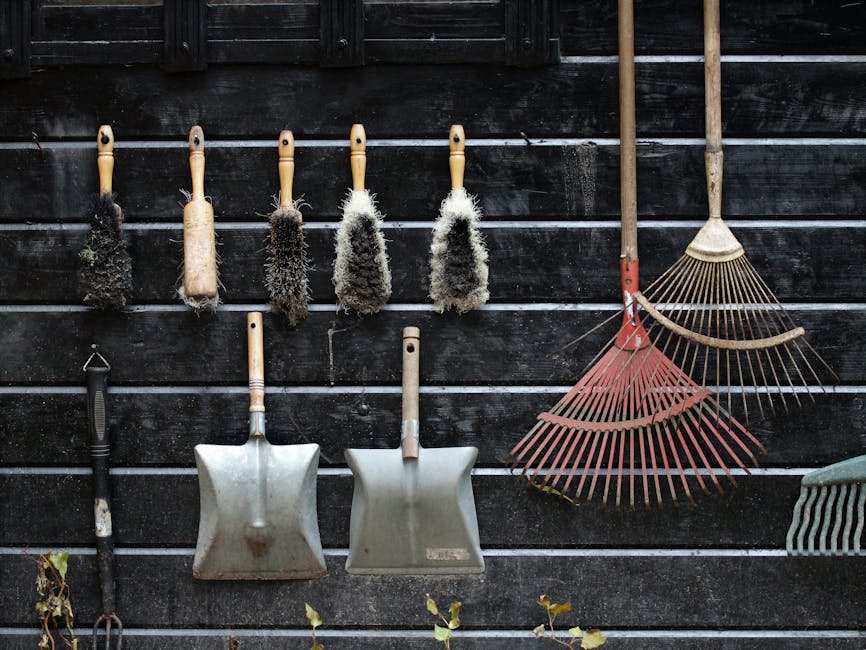
- Hand rake and leaf rake: useful for clearing debris from beds without disturbing roots too much.
- Sharp secateurs and loppers: for clean pruning cuts on shrubs and smaller woody growth.
- Edging tool: helps define lawn lines neatly.
- Lightweight lawn mower: easier to manoeuvre in narrow or enclosed spaces.
- Gloves and sturdy footwear: old gardens hide sharp bits and uneven ground more often than people expect.
- Wheelbarrow or garden trug: handy for moving cuttings without trampling borders.
- Spare ties and simple supports: useful for gently training climbers or supporting young growth.
For professional support, it helps to look for a service that understands both routine care and the special handling older gardens need. The most useful providers usually talk plainly about what they will do, what they will not do, and when they recommend a different type of visit. If you want to compare service scope, the services overview is a sensible place to start.
It is also worth checking how quotes are structured and whether recurring visits are available. Clear pricing saves awkward conversations later. If you are budgeting, the pricing and quotes page can help set expectations before any work begins.
Law, Compliance, Standards, or Best Practice
Garden maintenance is mostly practical work, but there are still safety and responsibility issues to keep in mind. In the UK, property owners and those managing outdoor spaces should take reasonable care over hazards such as unstable paths, damaged steps, dead branches, and trip risks. That is especially relevant in older gardens where original features may have aged unevenly.
Good practice also means using equipment safely, planning work to avoid unnecessary damage, and being sensible around trees, drains, walls, and shared boundaries. If work involves height, heavy cutting, or anything that could affect access and safety, it is usually better left to trained professionals with appropriate insurance and methodical working practices.
For peace of mind, it helps to choose a provider that explains how it approaches safety, insurance, and working methods. A clear insurance and safety policy, along with a written health and safety policy, shows that the work is being handled properly rather than casually.
There is also a broader ethical side to choosing a contractor. Reliable businesses should be transparent in how they operate and communicate clearly about terms, complaints, and privacy. That kind of clarity matters, even if it is not the glamorous part of garden care. It is still part of trust.
Options, Methods, or Comparison Table
Different period gardens call for different levels of maintenance. Here is a simple comparison to help you decide what kind of approach fits your situation.
| Approach | Best for | Strengths | Limitations |
|---|---|---|---|
| DIY routine care | Small or straightforward gardens with manageable planting | Flexible, lower ongoing cost, hands-on control | Easy to miss seasonal tasks or overwork mature plants |
| Regular professional maintenance | Busy homeowners, mature gardens, and properties needing consistency | Reliable standards, better timing, less wear and tear | Requires ongoing budget and a good brief |
| One-off clearance plus reset | Overgrown gardens or neglected spaces | Fast visual improvement, useful restart point | Does not solve long-term upkeep on its own |
| Combined maintenance and landscaping support | Gardens that need both care and structural improvement | Better layout, better flow, more practical long-term use | Can be more involved and needs clearer planning |
In many NW3 period gardens, the best answer is a blend: regular maintenance for the everyday work, plus occasional specialist help for trees, hedges, or layout changes. That keeps the garden under control without trying to force it into one rigid model.
Case Study or Real-World Example
Take a classic terrace garden with mature shrubs, a shaded lawn, a narrow side return, and a small paved seating area. It looks charming from the house, but after a wet autumn it has gathered leaves, the lawn has thinned in the shade, and one hedge is starting to block light to the kitchen window.
The first visit is not about making it look "new." That would be the wrong target entirely. Instead, the maintenance work starts with clearance: removing debris, cleaning the path, checking the lawn edges, and cutting back only the growth that is causing a problem. The hedge is then trimmed carefully to restore shape and improve light, while the shrubs are lightly thinned rather than chopped down.
A few weeks later, the garden feels easier to use. The path is safer, the lawn is less patchy, and the planting still looks like it belongs to the house. Nothing flashy. Just calmer, neater, and more balanced. That is the sort of result people tend to like best, even if they did not ask for it in exactly those words.
In a bigger house with deeper borders, the same process might include more formal structure: pruning, seasonal planting changes, and occasional repairs to edging or decking. The principle stays the same. Preserve character, improve function, and avoid unnecessary harm.
Practical Checklist
Use this checklist as a simple working guide for period house gardens in NW3. It is not meant to be exhaustive, but it covers the jobs that most often make the biggest difference.
- Walk the garden and note problem areas before starting
- Remove leaves, twigs, litter, and dead plant material
- Check lawns for height, thin patches, moss, and edge definition
- Tidy borders without disturbing established roots
- Prune lightly and only where needed
- Inspect hedges for shape, density, and privacy coverage
- Look for dead, damaged, or unsafe tree growth
- Clear paths and steps of slippery debris
- Check decking, paving, and edging for wear or movement
- Refresh mulch where it will help the planting
- Water newly stressed plants or dry areas sensibly
- Review drainage, shade, and access issues
- Bag or compost green waste responsibly
- Step back and do a final visual check
Quick practical note: if the garden feels overwhelming, do not try to finish everything in one go. Split the work into entrance, lawn, borders, trees, and hard landscaping. That simple division helps more than people expect.
Conclusion
A good NW3 garden maintenance checklist for period houses gardeners is really about respect: respect for the age of the house, the shape of the garden, and the fact that older spaces need steadier care than modern ones. If you keep the work regular, gentle, and properly prioritised, the garden will usually reward you with the kind of quiet beauty that makes a period home feel complete.
To be fair, that is what most people want anyway. Not a perfect garden. A good one. One that looks cared for in the morning light, feels safe to walk through, and still has its character intact. That is a lovely thing to maintain.
Get a free quote today and see how much you can save.
If you would like to explore the team behind the work, learn more about the company or make an enquiry through the contact page. And if you are comparing service standards, it is always wise to read the small print too, including the terms and conditions and privacy policy.
Frequently Asked Questions
What should be included in an NW3 garden maintenance checklist for period houses gardeners?
It should cover regular mowing, edging, weeding, pruning, hedge care, leaf clearance, border maintenance, tree checks, and inspection of paths, decking, and other hard landscaping. For period homes, it should also include a check on the garden's balance and visual character, not just the basic tasks.
How often should a period house garden in NW3 be maintained?
Most period gardens benefit from a regular routine rather than occasional heavy work. Weekly or fortnightly attention in the growing season is common, with seasonal checks in autumn and winter. The exact rhythm depends on planting, shade, access, and how formal the garden is.
Why do older gardens need a different approach from modern ones?
Older gardens often contain mature trees, established shrubs, old paving, and original features that can be damaged by harsh work. They usually need more judgement, lighter pruning, and better timing. A one-size-fits-all approach rarely works well.
Can I do the checklist myself, or should I hire a gardener?
You can do a lot yourself if the garden is manageable and you are comfortable with routine work. If the space is large, overgrown, shaded, or contains mature trees and delicate features, professional help is often the safer and more efficient choice.
What is the biggest mistake people make in period house garden maintenance?
Overcutting is a big one. People often try to "reset" everything at once and end up stripping away the garden's shape or harming mature plants. The better approach is to work gradually and keep the structure intact.
How do I keep a shaded lawn healthy in NW3?
Keep it at a sensible mowing height, avoid scalping, reduce compaction where possible, and clear leaf litter regularly. Shaded lawns often need a gentler approach than sunny ones, and in some cases partial replacement or reshaping may be the better long-term answer.
When should hedge trimming be done?
That depends on the hedge species and how the garden is used. Many hedges do best with careful trimming at times that suit their growth habit and the nesting season should always be considered. If in doubt, trim lightly rather than heavily.
What should I check after heavy rain or windy weather?
Look for fallen branches, blocked drains, leaning supports, slippery paths, and loose debris on lawns and beds. In older gardens, weather can quickly reveal hidden issues, so a brief check after bad weather is well worth doing.
Is garden clearance the same as regular maintenance?
No. Garden clearance is usually a one-off or occasional job to remove heavy build-up, overgrowth, or neglected material. Regular maintenance is the ongoing work that keeps the garden under control after that initial tidy-up.
How do I know if a tree needs professional attention?
If you notice dead limbs, excessive lean, visible decay, unusual dieback, or branches that interfere with buildings, paths, or access, it is sensible to have it checked professionally. Large tree work is not something to guess at.
What should I ask before booking a garden maintenance service?
Ask what is included, how often visits are recommended, whether waste removal is covered, how pricing is structured, and whether the team has suitable insurance and safety procedures. Clear answers are a good sign. Vague answers, not so much.
Can period gardens be made more wildlife-friendly without losing their style?
Yes. You can keep structure and still support wildlife by leaving some seasonal cover, using thoughtful planting, and avoiding excessive tidying at the wrong time. The trick is balance. A period garden does not need to be sterile to be elegant.
What is the best first step if my garden has got away from me?
Start with a walk-through, then decide whether it needs a clearance visit before routine maintenance begins. If the garden is heavily overgrown, a reset is usually more effective than trying to force it back into shape in one afternoon.
For trusted service details, you can also review the services overview and see how the team approaches practical garden care in a way that suits real homes. Sometimes that bit of clarity makes the next step much easier.