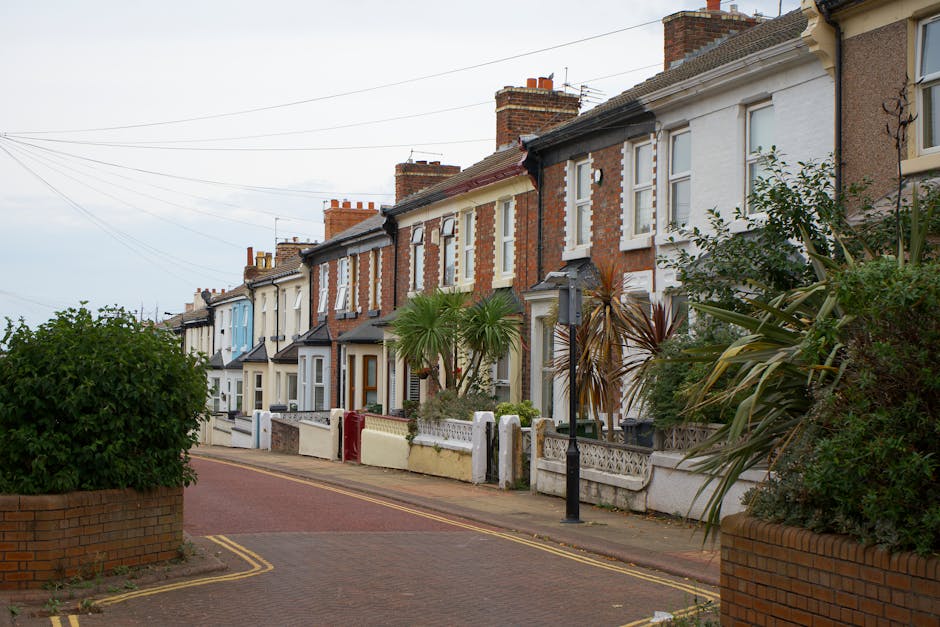
Top gardeners for Avenue Road and Belsize Park homes
If you live in Avenue Road or Belsize Park, you already know the garden is rarely just a garden. It might be a compact courtyard, a formal front plot, a leafy terrace, or a slightly awkward space that gets too much shade and not quite enough time. Choosing the right team matters because the best results come from gardeners who understand the rhythm of local homes, the pressure of busy London living, and the difference between a quick tidy-up and proper garden care.
This guide explains what makes the top gardeners for Avenue Road and Belsize Park homes stand out, how the service usually works, what to look for before booking, and where homeowners often go wrong. It is practical, local, and meant to help you make a decision with confidence. No fluff. Just the stuff that actually helps on a wet Tuesday morning when the lawn needs cutting and the hedge has gone slightly wild.
Why Top gardeners for Avenue Road and Belsize Park homes Matters
Gardens in this part of London often have a few things in common: limited space, strong visual expectations, and neighbours close enough to notice when a hedge starts leaning into their side of the fence. That means the right gardener is not just someone with a mower. They need judgement, timing, neatness, and a feel for how to keep a property looking cared for without turning it into a project that drags on for weeks.
For Avenue Road and Belsize Park homes, presentation really does matter. A well-kept frontage can lift the whole feel of the house, while a neglected garden can make the property seem tired even when the inside is immaculate. And let's be honest, in London, outdoor space is valuable. Very valuable.
Top gardeners bring more than labour. They bring consistency, a tidy process, and practical experience with jobs like garden maintenance, lawn mowing, hedge trimming, and more involved work such as garden clearance or landscaping. That mix matters because the needs of a small urban garden can change fast. One month it is a tidy-up. The next, it is a proper reset.
Expert summary: the best gardeners for these homes are not always the biggest team or the cheapest quote. They are the ones who can keep a garden looking sharp, work safely and neatly, and adapt to the quirks of older properties, compact layouts, and busy household routines.
How Top gardeners for Avenue Road and Belsize Park homes Works
Most good garden services start with a straightforward conversation. You explain the space, the problems, and what a "good result" looks like for you. Then the gardener assesses the work and suggests a plan. Simple in theory, though the details matter a lot.
In practice, the process usually looks something like this:
- Initial discussion: You describe the garden, the access, the size, and any concerns such as overgrowth, uneven patches, storm damage, or seasonal build-up.
- Site visit or quote review: A professional looks at what is actually needed. This helps avoid the classic issue of underquoting a job and then rushing it later. Nobody enjoys that.
- Service selection: Depending on the condition of the garden, the work may include recurring care, one-off tidy-ups, planting, turf care, or structural improvements.
- Work planning: The team decides what can be done immediately and what might need multiple visits, specialist tools, or different weather conditions.
- Completion and aftercare: A reliable gardener explains what was done and what should be kept on top of next. That bit is often underrated.
For many homes, the most useful model is a blend of routine and occasional deeper work. For example, routine visits can keep things under control, while seasonal jobs handle heavier growth, edging, pruning, or reworking tired beds. If your garden has decking, borders, or a tricky slope, services such as decking services or landscape gardening can be part of the bigger picture rather than separate jobs.
There is also a practical side that often gets overlooked: access. In tightly built residential streets, moving tools, waste, and equipment can take more thought than people expect. A good local gardener notices that kind of thing without making a fuss.
Key Benefits and Practical Advantages
The benefits are obvious at first glance, but the real value tends to show up in the background. You stop fighting the same mess every weekend. You stop feeling vaguely guilty every time you look out the kitchen window. And the whole place starts to feel easier to live in.
- Better first impressions: A neat garden frames the house properly and improves the overall presentation.
- Less stress: Instead of constantly catching up with overgrowth, you get a reliable rhythm.
- Healthier planting: Consistent care helps shrubs, lawns, and borders stay stronger through the seasons.
- Safer outdoor areas: Tidy paths, trimmed growth, and clear access reduce trip hazards and clutter.
- More usable space: A maintained garden is easier to sit in, entertain in, and actually enjoy.
- Better long-term value: Ongoing care usually prevents larger, more expensive problems later on.
A lot of homeowners in Avenue Road and Belsize Park are looking for something very specific: a garden that looks intentional. Not overworked. Not wild. Just well handled. That is where experienced maintenance really pays off. A competent team will know when a lawn needs a cut, when a hedge needs shaping rather than hard reduction, and when a border just needs clearing back so the planting can breathe again.
If your property is on the market, rented, or managed on behalf of someone else, this becomes even more useful. The garden becomes part of the property's reputation. Quietly, but noticeably.
Who This Is For and When It Makes Sense
This kind of service suits more people than you might think. It is not only for large houses or formal gardens. In fact, smaller spaces often benefit most because they can look messy quickly if left alone.
You may need top-tier garden support if you are:
- a homeowner who wants regular upkeep without doing it all yourself;
- a landlord or property manager keeping an exterior presentable;
- someone preparing for a sale, valuation, or new tenancy;
- a family with limited time and a garden that keeps getting away from you;
- an older resident who wants the outdoor space maintained safely and neatly;
- someone improving a tired garden with a view to using it more often.
It also makes sense if you have a garden that is nearly manageable but not quite. That is a common stage, by the way. The grass is okay for a while, the hedge is fine, the borders are a little untidy, then suddenly the whole place looks like it has had a personality change. A good gardener can stop that spiral before it starts.
For more structured or regular care, a service package built around services overview and ongoing garden maintenance is often the neatest option. For bigger resets, a one-off cleanup may be the right beginning before moving into lighter upkeep.
Step-by-Step Guidance
If you are choosing gardeners for an Avenue Road or Belsize Park property, a clear process helps you avoid rushed decisions. Here is a sensible way to handle it.
- Walk the garden yourself first. Notice what feels urgent: grass height, hedge shape, weeds, dead plants, broken edges, clutter, or poor drainage.
- Decide your main goal. Are you after a one-off refresh, ongoing maintenance, or a more ambitious redesign? Each one calls for a different approach.
- Ask what is included. A tidy quote should say whether waste removal, green disposal, pruning, edging, or planting is part of the job.
- Check how the team works. A professional outfit should be able to explain timing, access needs, equipment, and any likely constraints.
- Think seasonally. Spring and early summer are not the same as late autumn. Gardens need different treatment depending on growth and weather.
- Start with a practical first visit. A smaller initial job can reveal how the gardeners work before you commit to a bigger plan.
- Review the result after the first round. Look at edges, finish, tidiness, communication, and whether the garden now feels easier to manage.
That last step matters more than people expect. You can tell quite quickly whether a gardener cares about the finish or just about getting through the checklist. The details show it.
Expert Tips for Better Results
Here are a few things that make a noticeable difference, especially in smarter residential areas where the garden is part of the home's overall feel.
- Prioritise consistency over drama. Repeated light maintenance is usually better than waiting for everything to become a giant job.
- Keep hedge lines and edges precise. Clean lines create the impression of care, even in a small space.
- Use the right work for the right season. Cutting back too hard at the wrong time can leave shrubs looking sparse for months.
- Leave room for access. Narrow side passages, bins, bike storage, and bins can all affect how a job is done.
- Ask about sustainability. A sensible approach to green waste and responsible disposal is better than simply hauling everything away and hoping for the best. If that matters to you, see recycling and sustainability.
- Be clear about finish expectations. A "tidy" garden and a "showing-ready" garden are not the same thing.
A small but useful tip: take photos before the first visit. Not because you need to make a drama of it, but because it helps everyone see the improvement properly. After a few weeks, memory gets fuzzy. You forget how much work the place actually needed.
And yes, if the lawn is patchy and the hedge is doing its own thing, that does not mean the garden is hopeless. Far from it. It usually just needs proper sequencing. Short version: fix the structure first, then the polish.
Common Mistakes to Avoid
People usually do not get garden care wrong because they are careless. They get it wrong because they are busy. Fair enough. But a few mistakes keep showing up.
- Choosing only on price. The cheapest quote can miss waste removal, hedge shaping, or proper finishing.
- Booking the wrong type of service. A clearance job is not the same as routine maintenance, and a landscaping job is not the same as lawn care.
- Ignoring access issues. If tools and waste are difficult to move, the job needs planning, not guesswork.
- Expecting every problem to be solved in one visit. Some gardens need a staged approach. That is normal.
- Not checking safety and insurance basics. Especially important if trees, heights, or heavier equipment are involved.
- Leaving maintenance too long. Letting hedges and beds run wild usually makes the next job more expensive and less pleasant.
One common pattern is the "I'll deal with it next month" approach. Next month arrives, the weather changes, and suddenly the weeds have formed a sort of small nation. Not ideal. A bit of rhythm saves a lot of pain later.
Tools, Resources and Recommendations
You do not need to know every tool a gardener uses, but it helps to understand the basics. The right equipment often tells you something about the professionalism of the service.
- Professional mowers and trimmers: Important for a neat, even finish and clean edges.
- Secateurs and loppers: Used for controlled pruning and shaping smaller growth.
- Waste bags and clearance tools: Useful for keeping the site tidy and managing debris efficiently.
- Safe access equipment: Needed when hedges, trees, or awkward corners are involved.
- Seasonal planning: A good gardener should be able to explain what should happen now and what should wait.
If you want to explore service depth before committing, a sensible place to start is the services overview. From there, you can move into specific needs such as lawn mowing, hedge trimming, or larger outdoor improvements through landscape gardening.
If your garden has become cluttered with cuttings, old pots, or general build-up, a proper garden clearance can be the cleanest way to reset the space. Then maintenance becomes easier. Much easier, actually.
Law, Compliance, Standards, or Best Practice
Garden work in London is not usually complex from a legal point of view, but there are still important standards and duties to keep in mind. Good practice matters, especially where equipment, trees, waste, and access are involved.
For homeowners, the key considerations are usually practical rather than bureaucratic:
- Health and safety: Reputable gardeners should follow sensible safety practices, particularly with tools, ladders, branches, and site conditions. You can review a provider's approach through their health and safety policy.
- Insurance: Public liability cover is commonly expected for professional outdoor work. It helps protect both the property and the people on site. The business should be open about insurance and safety.
- Waste handling: Green waste should be managed responsibly and disposed of in line with ordinary local practice. A tidy clear-up is only half the job if the waste is mishandled.
- Tree work caution: Anything involving larger limbs, unstable trees, or significant height should be handled carefully. If there is any doubt, specialist input is wise. Tree work is not the place for improvisation.
- Clear terms: Written expectations around scope, timing, and payment reduce misunderstandings. That is why transparent terms and conditions and payment and security information are useful.
Best practice also includes communication. If weather delays part of the job, or if a plant looks unhealthy once pruning begins, the gardener should say so plainly. No drama. Just clear information.
Options, Methods, or Comparison Table
Different gardens need different approaches. The right choice depends on whether you need ongoing order, a one-off reset, or a more creative transformation. Here is a practical comparison.
| Option | Best for | Typical focus | Things to watch |
|---|---|---|---|
| Routine garden maintenance | Homes that need regular care | Lawn cutting, edging, weeding, light pruning | Can become too basic if the garden needs structural work |
| One-off garden clearance | Overgrown or cluttered spaces | Removal of debris, heavy cutback, reset of the area | May need follow-up maintenance afterward |
| Landscaping | Gardens that need a new layout or stronger structure | Harder features, borders, pathways, layout changes | Takes more planning and usually more time |
| Landscape gardening | Gardens needing both practical care and design thinking | Planting, shaping, functional improvements | Works best when you know the long-term aim |
| Decking services | Outdoor seating or usable space improvements | Structure, access, and finish around a decked area | Needs proper installation and upkeep planning |
For many Avenue Road and Belsize Park homes, the sweet spot is often a combination: maintenance for the living parts of the garden, plus occasional improvement work where the structure has started to feel tired. That combination gives you the best of both worlds. Not flashy, just effective.
Case Study or Real-World Example
Here is a realistic example based on the kind of garden many local homeowners deal with.
A couple with a townhouse near Belsize Park had a rear garden that looked fine in photos but felt chaotic in real life. The lawn was uneven, the hedge had become too broad, and the borders had drifted into a thick mix of weeds and tired shrubs. Nothing dramatic. Just the sort of space that quietly starts annoying you every time you open the back door.
They did not want a full redesign. They wanted the garden to feel usable again.
The first visit focused on clearing dead growth, cutting back the hedge, and restoring a tidy outline to the beds and edges. The second stage dealt with the lawn, which needed proper mowing and a little reshaping around the edges. After that, the team suggested a more regular maintenance rhythm rather than another big clean-up later on. Simple, but effective.
The biggest change was not even visual, although that helped. It was emotional. The garden stopped feeling like a chore and started feeling like part of the house again. The owners could sit out with coffee on a bright morning and actually relax. That matters more than people admit.
Practical Checklist
Use this checklist before booking a gardener for your Avenue Road or Belsize Park home.
- Know whether you need maintenance, clearance, landscaping, or a mix of services.
- Check whether the gardener understands compact or high-value residential gardens.
- Ask what is included in the quote and what counts as extra.
- Confirm how waste and cuttings will be handled.
- Make sure access to the garden is realistic and clearly explained.
- Ask about insurance, safety, and how the work is managed on site.
- Consider whether you need a one-off visit or recurring support.
- Think about seasonal timing before scheduling heavier pruning or clearance.
- Review the provider's wider service information, including about us if you want to understand their approach and experience.
- Choose the team that feels clear, calm, and practical rather than hurried.
Quick takeaway: the best gardeners for these homes make life easier, not busier. They should leave the place cleaner, clearer, and easier to maintain next time round.
To get a clearer picture of scope and costs, it can also help to review pricing and quotes before making a decision. And if you want to speak to the team directly, use the site's contact us page once you are ready.
Conclusion
Finding the top gardeners for Avenue Road and Belsize Park homes is really about fit. You want people who understand the property, respect the space, and know how to make outdoor areas look well kept without creating extra hassle. The right gardeners will be practical, careful, and consistent. They will also know when a garden needs simple maintenance and when it needs a deeper reset.
That combination is what turns a garden from "something we really should sort out" into a part of the home you can actually enjoy again. And truth be told, that shift is worth a lot.
Get a free quote today and see how much you can save.
Whether your goal is a polished front garden, a calmer back space, or a long-term maintenance plan, a thoughtful approach now can save time, money, and a fair bit of stress later. A good garden has a way of improving the whole day, quietly, from the moment you step outside.
Frequently Asked Questions
What should I look for in gardeners for Avenue Road and Belsize Park homes?
Look for clear communication, relevant experience with residential gardens, tidy workmanship, and a practical understanding of maintenance, clearance, and landscaping. The best fit is usually someone who explains things plainly and does not oversell the job.
How often should a garden in these areas be maintained?
It depends on the size of the garden, planting style, and how quickly things grow. Many homes benefit from regular maintenance during the growing season, with extra visits when hedges, lawns, or borders need more attention.
Is a one-off garden clearance enough, or do I need ongoing maintenance?
If the space is simply overgrown or cluttered, a one-off clearance may be enough to reset it. If you want the garden to stay neat, ongoing maintenance is usually the smarter option after the initial clean-up.
What services are usually included in garden maintenance?
Typical garden maintenance can include lawn mowing, edging, weeding, light pruning, hedge trimming, and general tidying. Some jobs may also involve waste removal or seasonal care, depending on the site.
Can gardeners help with small courtyards and compact urban gardens?
Yes, and in some ways those spaces benefit even more from professional help. Smaller gardens can look untidy fast, so careful trimming, neat edges, and smart planting choices make a big difference.
Do I need landscaping if I only want my garden to look better?
Not always. If the main problem is general untidiness, maintenance may be enough. Landscaping becomes more relevant when the layout, structure, or usability of the garden needs changing.
How do I know if a gardener is working safely?
A safe gardener should use appropriate tools, work neatly, and be able to explain how they handle access, waste, and more difficult jobs. It is sensible to ask about safety and insurance before work begins.
What if my hedge or tree work looks too big for a standard garden visit?
Then it probably is. Larger or more awkward jobs may need a different approach, and sometimes specialist tree work is the better choice. It is always better to assess properly than rush into it.
How should I prepare my garden before the gardeners arrive?
Move away fragile items, clear access routes if you can, and make a note of any specific problem areas you want the team to focus on. A quick walk-through before they start helps avoid confusion.
What makes a gardening service worth paying for in a high-demand area like Belsize Park?
Consistency, finish quality, and reliability. In a neighbourhood where presentation matters, you want a gardener who keeps the garden looking sharp and does not create extra hassle for you.
Should I ask about waste disposal before booking?
Yes. It is one of those little details that becomes a big annoyance if ignored. Ask how cuttings, debris, and green waste will be handled so you know exactly what to expect.
Where can I learn more about the service offering before I enquire?
A good starting point is the site's services overview, which helps you understand the range of work available before you decide what to book.